

Nitish Devadiga
Software engineer. Curious about what code can make us feel.
This is the paper edition. Open the 3D world; it is best on a desktop.
Scroll to unfold







01
Elsewhere
A game showed me that a world could be made. I wanted to understand how.
- The spark
As a child I played Vice City for hours, and somewhere along the way it stopped feeling like a game and started feeling like a place. Someone had decided where the streets bent, how the light fell and which song came on the radio. Engineering, art, music and storytelling met inside one world, and I wanted to understand how they had been made to fit.
Read on About - An escape
Constructed worlds gave me somewhere to go: a place with its own rules, where a corner could hide a surprise and curiosity was always rewarded. I never really lost that feeling. Much of what I build now is an attempt to hand it to someone else, even for a few minutes. This website is one of those attempts.
Read on About



02
Curiosity
I started with questions. Programming gave me a way to follow them.
- Teaching myself
In ninth grade I started teaching myself to program. Nobody set the syllabus; I followed whatever question was in front of me, usually some version of how a page on the web actually worked. Web development came first because the results were immediate: change a line, refresh, and something on the screen was different. That loop of question, attempt and answer is still how I learn.
Read on About - Learning ahead
By the time I started my BCA at Amity University Mumbai, I had already been programming for years, so much of the coursework was familiar ground. That turned out to be a gift. Instead of racing to keep up, I had room to build things of my own, take on my first professional work in the final year, and enjoy college with close friends.
Read on About - Following a thought
My attention likes to wander. A small question can turn into an evening of reading, and a bug can lead somewhere far more interesting than its fix. I used to treat that as a detour. Now I think of it as part of the method: some of my best ideas began as a thought I decided to follow a little further than planned.
Read on About


03
Making things real
Eventually, the experiments became things people could use.






04
Beyond the screen
There is more to life than the screen. Sometimes, that is where the next idea starts.
- Home and roots
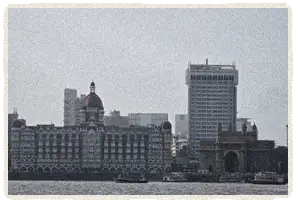
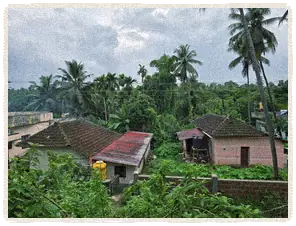
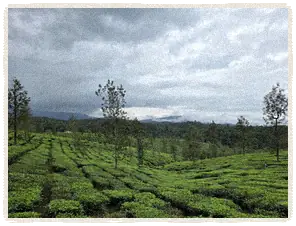
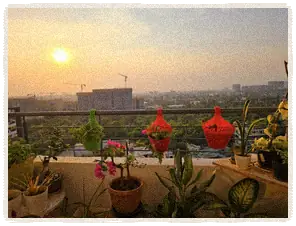
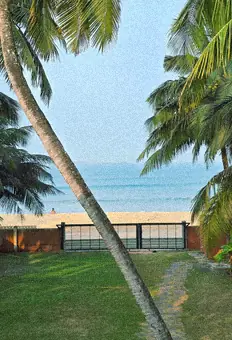
My roots are in Karkala, a town in Karnataka's Udupi district, and home today is Thane, just outside Mumbai. One is green, quiet and unhurried; the other never quite stops moving. I think I carry a little of both, a patience from one and a restlessness from the other, and I try to put both into the things I make.
Read on About - Outside my comfort zone
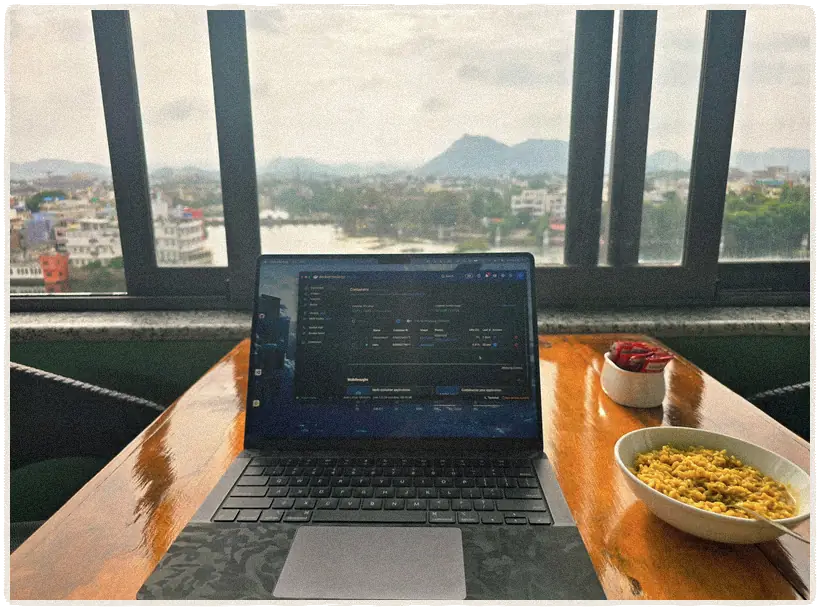
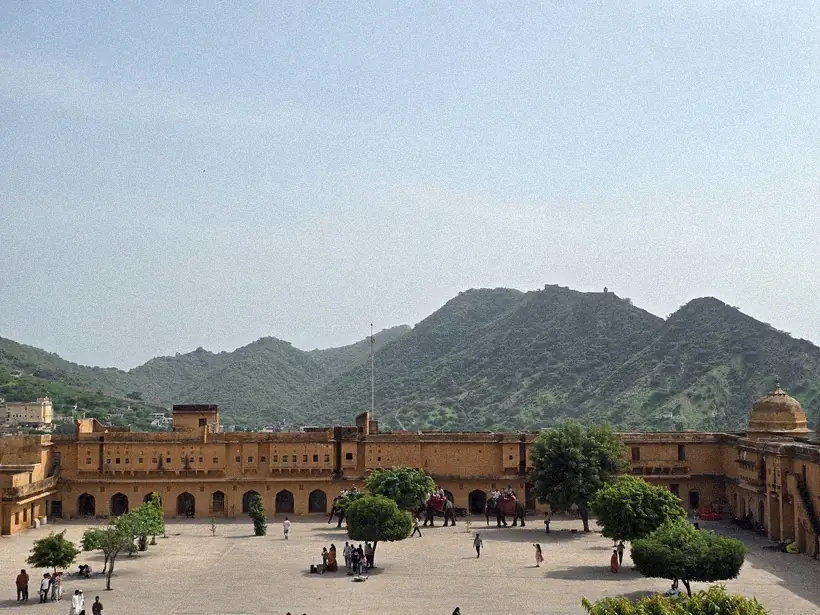
Travel is where I practise being uncomfortable. I like staying in hostels, where a shared table turns strangers into company for an evening and plans change because someone mentioned a place worth seeing. I hesitate at the edge of new things more than it probably shows. Stepping past that hesitation, again and again, has taught me more than most tutorials.
Read on About - A different rhythm
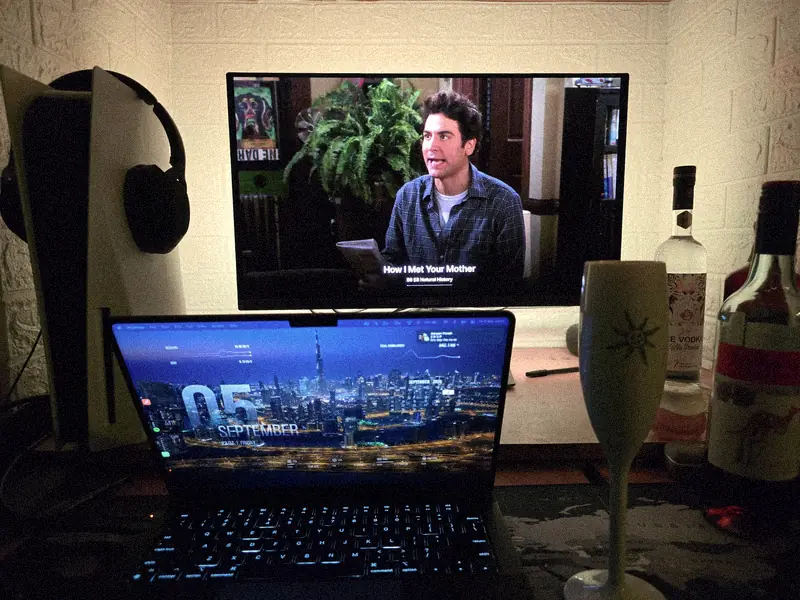
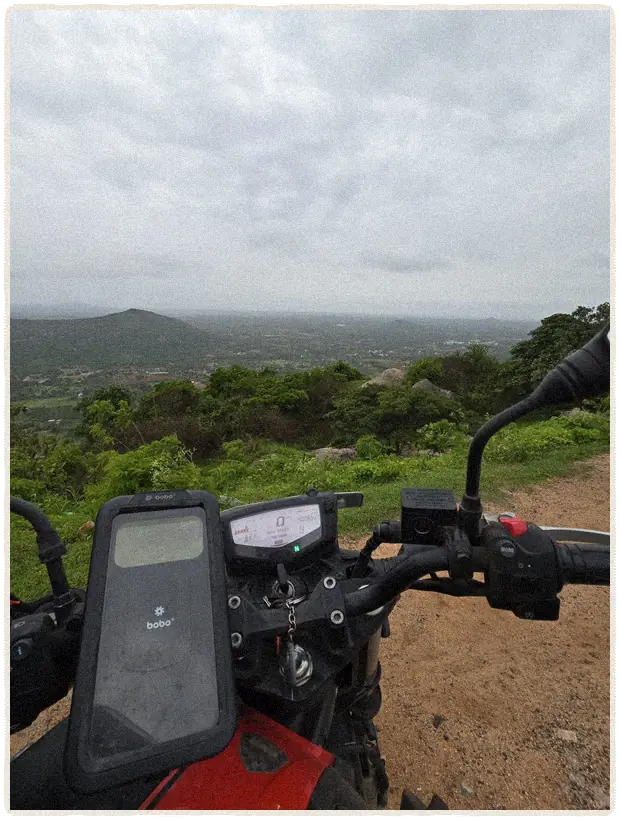
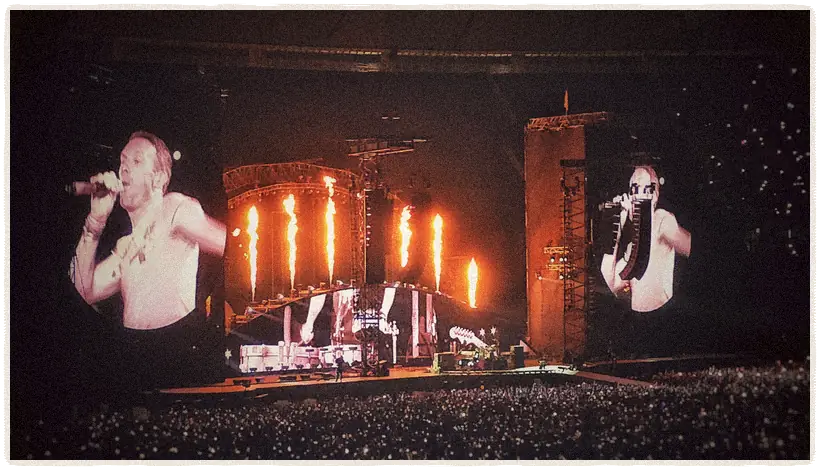
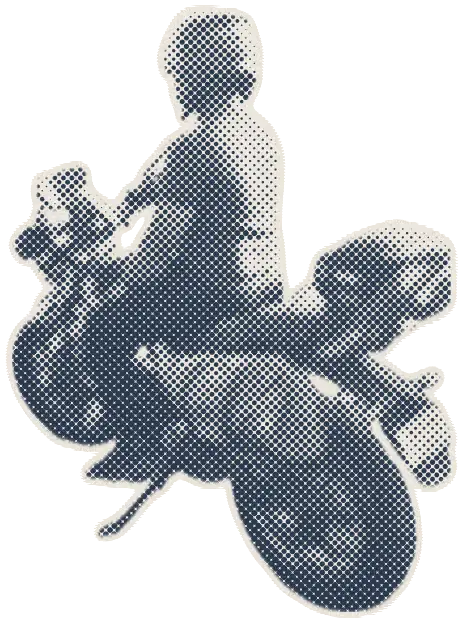
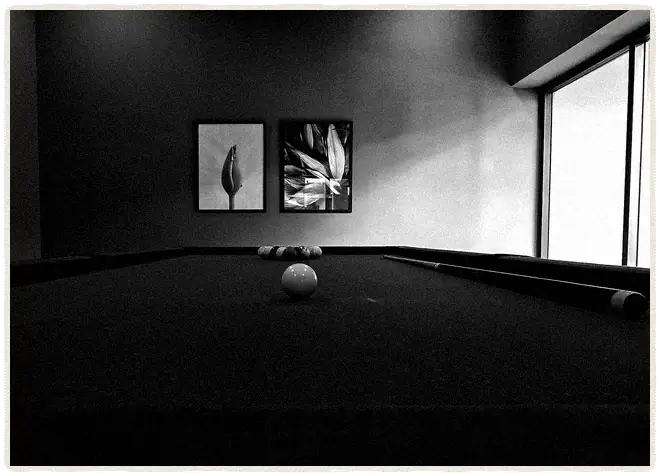
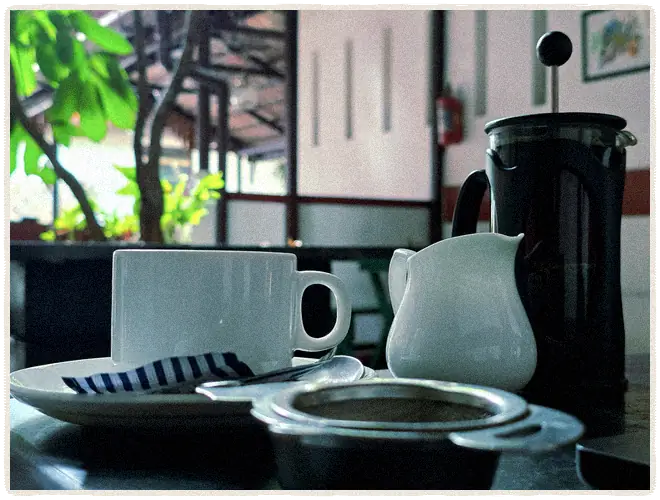
Away from the keyboard, life keeps a different rhythm: a long ride with the road unrolling ahead, music playing while I think, an evening with close friends that runs later than planned. None of it is about work, which is exactly why it matters. More often than I expect, the next idea turns up somewhere out there.
Read on About


05
An open invitation
If something here stayed with you, say hello.